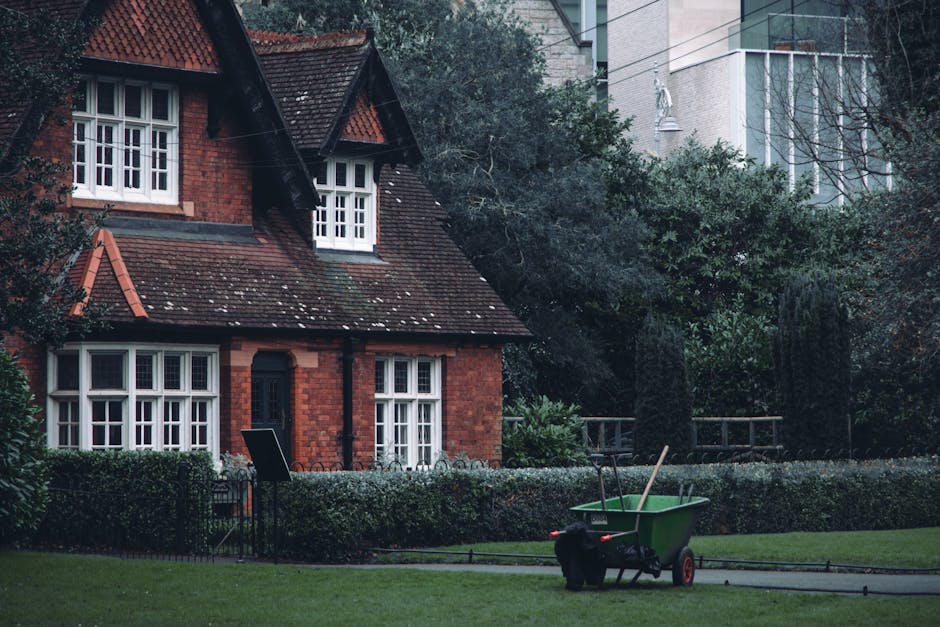
What to know about emergency gardeners in Chessington
If a tree has come down, a hedge is blocking access, or your garden has suddenly turned unsafe after wind and rain, you need clear answers fast. That is exactly where emergency gardeners in Chessington come in. This guide explains what emergency garden help actually means, when it makes sense to call, what to expect on arrival, and how to choose someone who can deal with the problem properly without making it worse. Truth be told, the difference between a calm fix and a messy one is often a few good decisions made early.
Chessington gardens can be lovely, but they are also exposed to the same awkward stuff as anywhere in South West London and Surrey edges: storm damage, overgrown boundaries, blocked paths, broken fencing, messy clearances, and trees that decide, inconveniently, to go in the wrong direction. If you are dealing with an urgent outdoor issue, this article will help you act quickly and sensibly.
Expert summary: Emergency gardening is not just about speed. The best outcome usually comes from a quick response, a safe plan, and the right mix of clearance, pruning, and tidy-up work so the garden is secure again.
Table of Contents
- Why emergency gardening matters in Chessington
- How emergency garden help works
- Key benefits and practical advantages
- Who this is for and when it makes sense
- Step-by-step guidance
- Expert tips for better results
- Common mistakes to avoid
- Tools, resources and recommendations
- Law, compliance, standards and best practice
- Options and comparison
- Case study example
- Practical checklist
- Conclusion
- Frequently asked questions
Why What to know about emergency gardeners in Chessington Matters
When a garden issue becomes urgent, the clock starts to matter. A fallen branch can block a driveway. A storm-battered hedge can expose a property boundary. A slippery path covered in moss, mud, or scattered leaves can become a hazard. And if you have a busy household, children, pets, or visitors due that same day, the stress rises very quickly.
In Chessington, a lot of gardens sit close to fences, side passages, shared access routes, and driveways. That means one problem often affects more than one area. A broken shrub or leaning tree may look minor from the kitchen window, but once you step outside, the picture can be different. You may find blocked bins, a damaged gate, or wet debris hiding trip hazards. Not glamorous, but real.
That is why emergency gardening is useful: it restores safety first, then order, then longer-term tidiness. It is a practical service, not a decorative one. And that distinction matters. A good emergency gardener will not just "make it look better"; they will assess what needs immediate removal, what can be stabilised, and what should be left for a follow-up visit if needed.
If you already know the issue is bigger than a quick tidy, it can help to look at broader support such as garden clearance or tree lopping and removal as part of the recovery plan. Those services often sit behind emergency work, especially after bad weather or a sudden collapse.
How What to know about emergency gardeners in Chessington Works
Emergency gardening usually starts with a fast phone call or enquiry, followed by a short assessment of the problem. A sensible provider will want to know what has happened, whether anyone is at risk, what access is available, and whether the job involves fallen branches, broken fencing, heavy waste, unstable trees, or simply urgent overgrowth.
Here is how it typically unfolds:
- You describe the issue clearly. Mention what happened, when it happened, and whether there is any immediate danger.
- The gardener decides the urgency. Some jobs need same-day attention; others can be handled quickly but not necessarily as an emergency.
- A visit or estimate is arranged. Depending on the job, the gardener may quote from photos, then confirm on site before starting.
- Immediate hazards are made safe. This might mean removing loose branches, opening a path, or securing debris.
- Clean-up and disposal are handled. A proper emergency response includes taking away waste or leaving it neatly bagged and contained.
- Follow-up work is discussed. If the garden needs pruning, hedge reduction, mowing, or landscaping repair, that is usually planned separately.
To be fair, no two emergency calls look the same. One afternoon you might be dealing with a toppled plant and scattered fence panels. Another day it is a hedgerow that has swollen into the pavement and is suddenly causing a delivery issue. The right response depends on the specific mess in front of you, not a neat template.
For ongoing care once the urgent problem is out of the way, garden maintenance can help prevent the same issue repeating, while hedge trimming and lawn mowing keep growth under control during the more settled weeks of the year.
Key Benefits and Practical Advantages
The main benefit is obvious: speed. But there are several other advantages people often miss until they have been through an urgent garden problem once or twice.
- Safety is restored quickly. Loose branches, unstable plants, and blocked access routes are dealt with before they cause accidents.
- Damage can be limited. Prompt action may stop a small collapse from becoming a larger repair job.
- Neighbours and passers-by are less affected. This matters in tighter Chessington streets where overgrowth or debris can spill outside your boundary.
- You save time and energy. Clearing a storm-hit garden after work, in bad weather, is grim. No other word for it.
- The property looks cared for again. Even an emergency tidy-up can make the whole place feel calmer and more manageable.
- There is a plan for next steps. Good emergency work often becomes the starting point for longer-term landscaping or replanting decisions.
There is also a quiet emotional benefit. A messy garden can make the whole home feel chaotic. Once the broken bits are removed and the access is clear again, the place feels lighter. You notice it when you open the back door and can actually use the space without tiptoeing around branches or staring at a pile of leaves like they are judging you.
If the problem has damaged the structure of the garden itself, you may also want to look at landscaping or landscape gardening after the immediate emergency is handled, especially where borders, paths, or planting schemes need rethinking.
Who This Is For and When It Makes Sense
Emergency garden support is not only for dramatic storm damage. It can make sense in a lot of everyday situations, and some are pretty ordinary once you see them listed out.
- Homeowners with urgent hazards. Think fallen branches, sharp debris, slippery paths, or loose panels after wind.
- Landlords and letting agents. A neglected or damaged garden can become an access or safety issue between tenancies.
- Older residents or busy families. When you simply cannot safely deal with the problem yourself, prompt help is the sensible choice.
- People expecting visitors, deliveries, or trades. A blocked side return or overgrown access route can cause real disruption.
- Anyone facing rapid growth after wet weather. Gardens can change fast, especially in spring and early summer.
It makes sense when the issue affects safety, access, or usability. It makes less sense if the task is merely inconvenient but not urgent. For example, a hedge that is a little shaggy may need trimming, but it is not necessarily an emergency unless it is obstructing a path or creating a hazard. That distinction saves money and saves panic too.
And if you are unsure, ask yourself a simple question: would I be comfortable leaving this until next week? If the answer is no, you are probably in emergency territory.
Step-by-Step Guidance
1. Check for immediate danger
Before you do anything else, look for unstable branches, downed lines, broken glass, or anything that could move unexpectedly. If a tree or large limb looks unsafe, do not stand under it just to get a better angle for a photo. Seems obvious, but in the moment people do odd things.
2. Make the area as safe as you can
Keep children and pets away. Close gates if needed. If there is debris on a path, avoid walking across it in poor light. At night, a torch helps; in the rain, even more so. Little things matter here.
3. Gather useful details
Take a few clear photos from a safe distance. Note whether access is from the front, side, or rear. Mention if there is parking close by. These practical details help an emergency gardener judge the likely scale of the job.
4. Describe the outcome you need
Be specific. Do you need the path opened? The fallen material removed? The hedge made safe? The whole space cleared for access? A clear brief reduces delays and confusion.
5. Ask what happens after the urgent work
Emergency work often leads into one of three things: a tidy finish, a second visit for more detailed work, or a longer-term maintenance plan. It helps to know which one you are being quoted for.
6. Confirm disposal and tidy-up expectations
Garden waste can add up quickly, especially after storm damage. Ask whether debris will be removed, stacked, bagged, or left for collection. A good service is usually upfront about this.
For repeated issues or large-scale overgrowth, it may be more efficient to move into garden clearance rather than trying to chip away at the mess a bit at a time. That is one of those unglamorous decisions that saves you grief later.
Expert Tips for Better Results
If you want the best outcome from emergency gardening, a few habits make a real difference.
- Send photos before the visit. It helps the gardener judge equipment, time, and whether extra hands are needed.
- Say what changed recently. Was there a storm? A fallen branch? A neighbour's hedge intrusion? Context matters.
- Prioritise access first. A clear entrance or side return often matters more than making everything look finished on the same day.
- Think in stages. Safety work today, detail work later. That is often the smartest route.
- Keep an eye on drainage and ground conditions. Wet soil, compacted borders, and hidden mud can make some jobs slower and messier.
- Plan seasonal follow-up. Pruning, hedge reduction, and lawn care are easier when handled before growth gets away from you.
One small but useful tip: if you know your garden regularly develops the same trouble spot, tell the gardener. Maybe a shrub grows too close to the gate, or a tree drops heavy debris after every windy spell. That kind of local knowledge saves time. It really does.
And if safety is part of the concern, it is sensible to understand the provider's approach to insurance and safety and how they manage work on-site. That does not remove all risk, but it shows whether they take the job seriously.
Common Mistakes to Avoid
Emergency garden work is one of those areas where haste can trip you up. Here are the mistakes people make most often.
- Calling it an emergency when it is actually routine maintenance. You may still need help, but not the urgent kind.
- Trying to move large debris alone. Heavy branches and awkward roots are a back injury waiting to happen.
- Ignoring hidden damage. A broken fence post or cracked edging can matter more than it first appears.
- Not checking disposal arrangements. A garden can look tidy at a glance while hiding a mountain of waste behind the shed.
- Choosing purely on speed. Fast is good. Safe, insured, and competent is better.
- Skipping follow-up care. If overgrowth or poor drainage caused the mess, it may happen again soon.
There is also a temptation to tidy only the visible bits and ignore the corners. We have all seen that approach. It looks fine until the wind shifts and the debris comes back into view two days later. Bit frustrating, that.
Tools, Resources and Recommendations
A well-equipped emergency gardener usually arrives with a practical kit built for clearing, cutting, lifting, and securing. Depending on the job, that may include saws, secateurs, loppers, rakes, protective gloves, tarps, wheelbarrows, and transport for waste. For more substantial work, specialist equipment may be needed, especially for tree-related hazards or heavier clearance.
From the homeowner's side, the most useful "resources" are surprisingly simple:
- clear photos of the problem
- a short written description of what happened
- notes on access, parking, and pets
- an idea of what outcome you want today versus later
For planned follow-up work, the service pages on lawn mowing, hedge trimming, garden maintenance, and services overview can help you map out what comes next after the urgent bit is resolved.
If sustainability matters to you, ask how green waste is handled. A transparent approach to sorting, recycling, and reuse is a good sign. You may also find it helpful to read about recycling and sustainability if you want the garden cleared responsibly rather than just quickly.
Law, Compliance, Standards and Best Practice
Emergency garden work sits in the same practical space as other property maintenance: safety first, then reasonable care, then tidy execution. There are no dramatic legal gymnastics for most domestic garden jobs, but there are still sensible standards to look for.
In the UK, a professional gardener or landscaping contractor should generally work in a way that respects site safety, avoids preventable damage, and handles waste responsibly. For example, if a job involves a dangerous tree, unstable structure, or restricted access, it should be approached cautiously rather than rushed blindly. That is just good practice, not bravado.
Best practice usually includes:
- using suitable protective equipment
- assessing obvious hazards before work begins
- keeping pathways and access points clear where possible
- communicating any limitations or extra risks
- agreeing what is included before work starts
- making sure waste handling is clear and lawful
If you are comparing providers, documents such as health and safety policy, terms and conditions, and pricing and quotes can tell you a lot about how the company works. Not every homeowner reads those pages first. Fair enough. But they are useful if you want fewer surprises.
Options and Comparison
Not every urgent garden issue needs the same type of help. Sometimes a direct emergency response is right. Sometimes a routine service with a quick turnaround is enough. Here is a simple comparison to make that easier.
| Option | Best for | Typical outcome | What to watch for |
|---|---|---|---|
| Emergency garden visit | Hazards, blocked access, storm damage, unstable debris | Immediate safety and clearance | Confirm what is included today |
| Garden clearance | Large amounts of waste, overgrowth, neglected spaces | Fuller removal and reset | Check disposal and scope |
| Garden maintenance | Recurring upkeep, prevention, regular tidying | Lower risk of future problems | Best used before issues become urgent |
| Tree lopping and removal | Dangerous, overextended, or damaged trees | Reduced risk and safer structure | Use a cautious, competent approach |
| Landscaping or repair work | Broken layout, failed edges, damaged borders | Longer-term improvement | Usually follows emergency clearance |
If in doubt, start with the problem that affects safety or access first. That simple rule keeps you from overbuying or under-responding. It is not fancy, but it works.
Case Study or Real-World Example
A typical Chessington example: after a windy night, a homeowner finds that a large branch has dropped across the side return, while a hedge has bent into the path and a few pots are scattered across the patio. Nothing dramatic in a movie sense, but enough to make the back entrance awkward and a little unsafe.
The first step is not a full redesign. It is making the space usable again. The emergency gardener removes the branch, clears the access route, checks for any obvious follow-on hazards, and gathers the loose material so the area is safe to walk through. Then, once the urgency is over, the homeowner can decide whether the hedge needs trimming, whether the path needs a better edge, or whether a broader tidy-up would make sense.
That is the real value of emergency help. It gives you breathing room. You are no longer looking at a problem every time you open the door. The garden stops shouting at you.
Sometimes, honestly, that is the biggest relief of the day.
Practical Checklist
Use this quick checklist before you book or when you are waiting for help to arrive:
- Have I checked for immediate danger?
- Are children and pets away from the affected area?
- Have I taken clear photos from a safe position?
- Can I explain what happened in one or two sentences?
- Do I know which part of the garden needs opening first?
- Have I asked what happens to the waste?
- Do I understand whether this is a one-off fix or a multi-stage job?
- Have I confirmed access details, parking, and any locked gates?
- Do I need follow-up work such as hedge trimming, clearance, or maintenance?
- Am I comfortable with the provider's approach to safety and pricing?
Quick takeaway: if the issue affects safety, access, or the structure of the garden, treat it as urgent. If it is mainly a maintenance problem, a prompt scheduled visit may be enough.
Get a free quote today and see how much you can save.
Conclusion
What to know about emergency gardeners in Chessington comes down to this: urgent garden help is about restoring safety, access, and order without creating a second problem. The best providers respond quickly, explain the work clearly, and leave you with a garden that feels manageable again, not half-sorted and annoying.
Whether you are dealing with storm damage, a blocked path, a fallen branch, or a garden that has simply run away from you, the right support can make a stressful day feel a lot more controllable. And after the mess is cleared, you can start planning the calmer stuff again - the trimming, the mowing, the shaping, the bits that make a garden feel like yours.
That is the bit worth remembering. A garden crisis is rarely the end of the story. Usually, it is just the first page of a better one.
Frequently Asked Questions
What counts as an emergency garden job in Chessington?
An emergency garden job usually involves something that creates immediate risk, blocks access, or leaves the property unsafe. Fallen branches, storm damage, unstable trees, broken fencing, and heavily obstructed paths are common examples.
Can emergency gardeners come the same day?
Often yes, depending on workload, travel distance, and the size of the issue. Same-day help is more likely when the problem is straightforward and clearly urgent. Bigger or riskier jobs may need a quicker assessment first.
Is an overgrown garden an emergency?
Not usually, unless it is causing a safety problem, blocking access, or attracting further damage. Overgrowth is often better handled as a priority maintenance or clearance job rather than a true emergency.
What should I send before the gardener arrives?
Send a few photos, a short description of what happened, and details about access, parking, and pets. That helps the gardener judge what tools or extra support might be needed.
Will the gardener remove all the waste?
That depends on the service agreed. Some jobs include removal, while others may involve stacking, bagging, or leaving waste ready for collection. Always ask before work starts so there are no awkward surprises.
How much does emergency garden work cost?
Costs vary based on urgency, access, the size of the job, and whether disposal is included. It is best to request a clear quote for the exact issue rather than guessing from a general price list.
Should I try to clear storm damage myself first?
Only if it is obviously safe and manageable. Do not move large branches, unstable debris, or anything that could shift suddenly. If there is any doubt, wait for professional help.
Can emergency gardeners help with trees?
Yes, in many cases they can deal with urgent tree-related problems such as dangerous overhang, fallen limbs, or access issues. More complex cases may require specialised tree work rather than a simple tidy-up.
What if my hedge is blocking the pavement or driveway?
That can become an urgent issue, especially if it affects safe access. A fast hedge trim or a short-term cutback may be the right solution, followed by more regular maintenance later.
Do emergency gardeners also handle landscaping repairs?
They can often help with the immediate clean-up and safety side, then suggest follow-up landscaping or repair work if the storm or damage has affected borders, edging, or layout.
How do I know the gardener is reputable?
Look for clear communication, straightforward pricing, sensible safety practices, and transparent terms. Pages such as insurance, health and safety, and pricing can be helpful signs that the business is organised and serious.
What is the best next step if I am unsure?
Describe the issue, send photos, and ask whether it is urgent or can wait. A good provider will help you judge the situation honestly. That bit matters more than people realise.