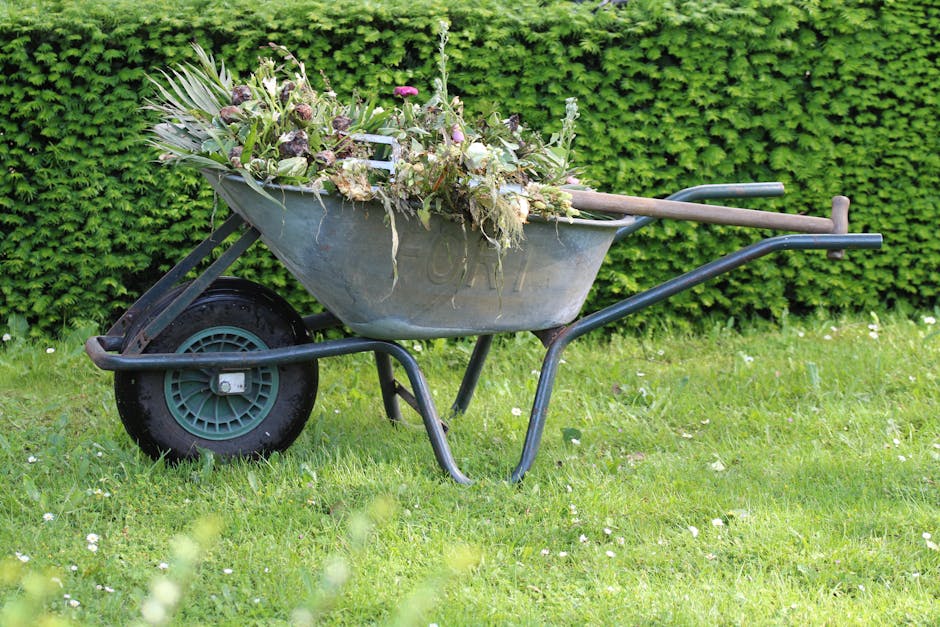
KT9 garden maintenance guide for Chessington terraces
If you live in one of Chessington's terraces, you already know the garden can be a blessing and a bit of a squeeze. A narrow strip, a shady patch, a small courtyard, maybe a bit of tired lawn at the back - it all adds up. This KT9 garden maintenance guide for Chessington terraces is here to make the whole thing feel simpler, calmer, and more manageable. Whether you want a neater front garden, less weekend faff, or a proper plan for keeping everything healthy through the seasons, you'll find practical guidance here that actually fits terrace gardens, not just big suburban plots.
Let's face it, terraced gardens ask for a slightly different approach. Space is tighter, access can be awkward, and even small jobs can snowball if they're left for too long. The good news? A little structure goes a long way. In this guide, we'll cover what regular maintenance should include, how often to do it, common mistakes to avoid, and when it may be worth bringing in professional help for tasks like garden maintenance, lawn mowing, hedge trimming, or a fuller garden clearance.
Quick summary: terrace gardens in KT9 usually stay healthier and easier to manage when you build a simple routine around clearance, pruning, lawn care, edging, weeds, watering, and seasonal tidy-ups. Keep it small, keep it regular. That's the trick.
- What to do each season
- How to handle narrow or shaded spaces
- Which jobs are DIY-friendly and which are better left to professionals
- How to avoid wasted time, plant stress, and messy overgrowth
Table of Contents
- Why KT9 garden maintenance guide for Chessington terraces Matters
- How KT9 garden maintenance guide for Chessington terraces Works
- Key Benefits and Practical Advantages
- Who This Is For and When It Makes Sense
- Step-by-Step Guidance
- Expert Tips for Better Results
- Common Mistakes to Avoid
- Tools, Resources and Recommendations
- Law, Compliance, Standards, or Best Practice
- Options, Methods, or Comparison Table
- Case Study or Real-World Example
- Practical Checklist
- Conclusion
- Frequently Asked Questions
Why KT9 garden maintenance guide for Chessington terraces Matters
Terraced gardens in Chessington tend to be compact, visible, and a little exposed to the rhythms of daily life. You see every weed. Every sagging pot. Every patch of moss near the path. And because the space is smaller, neglect shows up quickly. A few missed weeks in spring can become a full-day rescue job by midsummer. It happens more often than people like to admit.
Regular maintenance matters for three simple reasons: appearance, plant health, and control. Appearance is the obvious one. A tidy terrace garden lifts the feel of the whole property, especially if the garden is the first thing you see after stepping out of the kitchen door on a damp Tuesday morning. Plant health is the quieter benefit. Deadheading, pruning, and proper watering keep beds and containers in better shape. Control matters because terrace gardens can become cluttered fast. A couple of extra pots, some fallen leaves, a corner of overgrown climbers, and suddenly the space feels half its size.
There is also the practical side. In tighter KT9 plots, access can be restricted by side return widths, shared boundaries, or awkward stepping-stone layouts. That means maintenance has to be planned, not improvised. If you know what needs doing and when, you avoid the usual cycle of "I'll do it next weekend" followed by a garden that has other ideas.
For many households, a routine maintenance approach is more cost-effective than periodic rescue work. Small tasks are quicker, lighter, and less disruptive. They also make any larger project - such as new planting, a better lawn edge, or improved drainage - much easier to manage later. If you ever decide to rework the whole space, looking at landscape gardening or broader landscaping can be the next sensible step.
How KT9 garden maintenance guide for Chessington terraces Works
A good terrace-garden maintenance plan is less about fancy technique and more about sequence. You begin by clearing what is in the way, then you shape, clean, feed, water, and monitor. Simple enough, but order matters. Do the pruning before you weed and you may end up dragging cuttings through freshly cleared beds. Mow before edging and the borders can look rough. Small things, but they add up.
In practice, maintenance usually works in cycles:
- Inspect the space. Look for overgrowth, weeds, pests, drainage issues, and any broken containers, trellis, or edging.
- Clear the obvious clutter. Remove dead material, dropped leaves, broken stems, and anything crowding paths or steps.
- Cut and shape. Trim hedges, climbers, shrubs, and grass to keep the garden balanced.
- Tidy the soil and borders. Weed, top up mulch where needed, and refresh tired planting areas.
- Water and feed appropriately. Containers and compact beds often dry out faster than larger gardens.
- Reset the structure. Straighten pots, check supports, and make sure the layout still works for daily use.
For terrace gardens, the key is to keep the space workable. A path that is always clear. A bin area that is not swallowed by foliage. A back corner that does not become a dumping ground for pots you "might use later". You know the type. We all have one of those corners.
If the space has got away from you, a one-off tidy-up can be backed up with ongoing visits. That is where regular garden maintenance makes the biggest difference, because it stops the reset from turning into another full-scale clear-out.
Key Benefits and Practical Advantages
A well-kept terrace garden is not just prettier. It is easier to use, safer underfoot, and less expensive to bring back under control. In smaller KT9 gardens, those benefits are magnified because every square metre has to earn its keep.
1. Better use of limited space
When the layout is clean and maintained, the garden feels larger. That is partly visual, partly practical. Clear edges, trimmed plants, and tidy storage all help you reclaim usable space. A terrace garden with room to move around feels far more inviting than one with cluttered borders and squeezed pathways.
2. Less plant stress
Plants in compact gardens often compete for light, water, and root space. Maintenance helps you notice problems early. Yellowing leaves, mildewed growth, tangled climbers, and dry containers can all be corrected before they spread. A quick check at the weekend often saves a bigger job later on.
3. Lower risk of pest and disease build-up
Leaves left sitting in damp corners, overwatered pots, and crowded planting can encourage problems. Keeping things open and airy helps reduce those risks. Not eliminate them - gardening never quite works like that - but definitely reduce them.
4. A garden that suits everyday living
For many terrace homes, the garden is used as a passage, a sitting area, a play space, and sometimes a utility zone all at once. Maintenance keeps it functional. If you use a decked seating area or a small platform, keeping that surface clean and safe is part of the picture too, and decking services can help when repairs or upgrades are needed.
5. Less overwhelming upkeep
Five minutes here, ten minutes there. That approach is far kinder than waiting until the borders are knee-high. Terrace gardens respond well to consistency. The whole thing becomes more predictable, and frankly less annoying.
| Approach | What it looks like | Best for |
|---|---|---|
| Reactive maintenance | Waiting until the garden looks messy, then doing a big clear-up | Occasional touch-ups, but often stressful and time-consuming |
| Routine maintenance | Small regular tasks such as mowing, trimming, weeding, and watering | Most KT9 terrace gardens |
| Seasonal overhaul | Deep cleaning, pruning, clearance, and layout changes a few times a year | Neglected gardens or post-winter recovery |
Who This Is For and When It Makes Sense
This guide is for anyone responsible for a small or medium terrace garden in KT9, especially if the space is doing one or more jobs at once. Maybe it is a family garden that needs to survive footballs, muddy shoes, and a rabbit hutch. Maybe it is a neat space for morning coffee and pots of herbs. Or maybe it has simply become a bit too much to keep on top of. Happens to the best of us.
It makes sense if you:
- live in a Chessington terrace with limited outdoor space
- want a garden that stays tidy with less effort
- have hedges, shrubs, borders, or climbers that need regular control
- struggle with access, storage, or awkward corners
- need a plan for maintaining a lawn, patio edge, or decking area
- prefer steady upkeep over occasional heavy-duty work
It also makes sense if you rent out a property and want the outside space to remain presentable without becoming a drain on time. A tenant-friendly garden usually needs clear paths, manageable planting, and not too much fuss. That does not mean bland. Just practical.
For some gardens, a simple monthly visit is enough. For others, especially those with faster-growing hedges or heavy leaf drop, a more regular schedule may be needed. If the garden has been neglected for a while, starting with a one-off garden clearance can make ongoing upkeep much easier.
Step-by-Step Guidance
If you are not sure where to begin, use this straightforward sequence. It works well for most Chessington terraces and stops you from chasing your tail.
Step 1: Walk the garden properly
Do a slow lap. Look down, look up, and look into the corners. Check borders, fence lines, pots, drain grates, and under benches. You are looking for weeds, dead growth, soggy patches, broken edging, and anything that blocks movement.
Step 2: Remove waste and dead material
Clear leaves, cuttings, fallen fruit, and broken stems. If the space has become tangled or there is a build-up of rubbish, old pots, or discarded soil bags, it may be time to consider a deeper tidy-up rather than trying to chip away at it piecemeal.
Step 3: Tackle weeds before they seed
In terrace gardens, weeds can establish themselves in cracks, border edges, and paths surprisingly quickly. Pull them while the soil is damp if possible. It is easier on the hands and usually gets more of the root. No miracle here, just ordinary gardening logic.
Step 4: Trim and shape
Cut back untidy growth so light can reach lower plants. A dense hedge or overlong climber can make a small garden feel gloomy. Hedges, in particular, benefit from regular attention, and professional hedge trimming can help if the plants are tall, awkward, or close to boundaries.
Step 5: Mow, edge, and refresh lawn areas
If your terrace garden has a lawn section, keep the cut regular rather than drastic. Short, frequent mowing tends to work better than chopping it back after a month of growth. Finish with edging if you can. That clean line between grass and border can transform the whole look, honestly.
Step 6: Check watering needs
Containers and raised beds dry out more quickly than ground-level borders, especially during warmer spells. Water deeply rather than little and often if the plants need it, and check the soil before watering blindly. Wet on top does not always mean wet underneath.
Step 7: Feed, mulch, and support
Mulch helps keep moisture in and weeds down. Feed plants according to their needs, not just on autopilot. Add supports where climbers are getting floppy or where stems are leaning after wind. A small fix now can save a broken stem later.
Step 8: Review the layout
Ask yourself whether the space still works. Is a pot blocking the main route? Is the seating area too cramped? Could a bed be simplified? Good maintenance sometimes includes removing things, not adding them. That is the bit people forget.
Expert Tips for Better Results
After a while, you notice the same patterns in terrace gardens. The same trouble spots. The same places where moisture lingers after a rainy spell. The same corners where weeds seem to appear out of nowhere, almost with a grudge. A few habits make a big difference.
- Keep tools within reach. If the secateurs are in the shed at the far end of the garden, you will use them less. A small, ready kit saves effort.
- Work from the top down. Trim upper growth first, then clean lower areas. It keeps the job tidy and avoids rework.
- Use containers wisely. In a terrace garden, pots are useful but easy to overdo. Group them rather than scattering them everywhere.
- Leave airflow around plants. Crowding looks lush for about five minutes, then it becomes a maintenance headache.
- Prune with a plan. Do not just snip at random. Step back often and check the shape.
- Schedule the boring jobs. Gutters, drains, and hard-surface cleaning are not glamorous, but they matter for the garden's health.
A practical detail that helps a lot in KT9 terrace gardens: make maintenance visible. If your path, hose point, compost area, and storage box are easy to access, you are more likely to keep on top of the work. If they are hidden behind a tangle of plants and old pots, well, you can guess how that ends.
And yes, some weekends you will still feel like the garden is one step ahead of you. That is normal. Gardening is a bit like that.
Common Mistakes to Avoid
Most terrace garden problems do not begin as big disasters. They begin as small delays or enthusiastic overcorrections. A little too much water. A little too much pruning. A little too much optimism about what can be done in one Saturday afternoon.
- Cutting back too hard. Many shrubs recover slowly from aggressive pruning. Light, regular shaping is usually safer.
- Ignoring drainage signs. Puddles, algae, and soil that stays soggy are warning signs. Do not just work around them.
- Letting climbers take over. Lovely when controlled, messy when they start swallowing fences, sheds, and windows.
- Overfilling a small garden. Too many features can make a terrace feel tighter rather than more attractive.
- Using the wrong mower settings. In a small lawn, the wrong cut height can stress the grass fast.
- Forgetting the back corners. That is where trouble quietly gathers.
One of the most common mistakes is treating a terrace garden like a larger one. Bigger gardens can sometimes absorb a bit of chaos. Smaller ones cannot. They show everything. The upside is that they also reward attention quickly.
Tools, Resources and Recommendations
You do not need a huge kit to maintain a Chessington terrace garden well. In fact, a compact set of reliable tools is usually better than a shed full of half-used gadgets. Keep it simple.
Useful tools for terrace maintenance
- hand trowel and weeding fork
- sharp secateurs
- garden gloves with decent grip
- small rake or leaf grabber
- lightweight broom and dustpan for patios or steps
- mower suitable for smaller lawns
- watering can or hose with sensible reach
- secateurs or loppers for thicker stems, depending on the plant
When a professional service helps
Some jobs are straightforward. Others are not worth the strain, especially if access is tight or the garden has become heavily overgrown. Professional support can be useful for recurring upkeep, hedge cutting, heavy tidying, and anything that requires a full reset. You may also want help if your garden includes mature trees or branches that need careful handling, in which case tree lopping and removal may be more relevant than a standard trim.
If you are comparing service levels, it can help to look at the broader range of support through the services overview. That gives you a clearer sense of what can be handled as a one-off and what suits ongoing care.
Law, Compliance, Standards, or Best Practice
For most homeowners, terrace garden maintenance is mainly a practical matter, but there are still a few compliance and best-practice points worth keeping in mind. If you are cutting near boundaries, shared access points, or neighbouring properties, be considerate and avoid causing damage. If you are using power tools, make sure they are suitable for the job, used safely, and stored properly. That sounds obvious, yet that is exactly where people get caught out.
In the UK, good garden maintenance practice usually means taking reasonable care with waste disposal, avoiding nuisance to neighbours, and working safely around slips, trip hazards, and unstable surfaces. If a job is beyond your comfort zone - especially anything involving heights, heavy branches, or awkward lifting - it is usually wiser to stop there. There is no prize for doing a risky task badly.
For professional work, it is sensible to check safety, insurance, payment terms, and service expectations before starting. A reputable provider should be transparent about how jobs are handled and what is included. Pages such as insurance and safety, payment and security, and terms and conditions help set those expectations clearly. If sustainability matters to you, it is also worth understanding how waste and materials are handled via recycling and sustainability.
Options, Methods, or Comparison Table
There is no single "right" way to maintain a terrace garden. The best method depends on time, size, and how much you want done for you. Here is a simple comparison.
| Method | Best for | Pros | Trade-offs |
|---|---|---|---|
| DIY weekly upkeep | Small, tidy gardens with light planting | Low cost, flexible, immediate control | Requires consistency and basic tools |
| Monthly maintenance visit | Busy households and modest terrace plots | Keeps things under control without much effort | May still need small in-between tasks |
| Seasonal professional tidy-up | Gardens that get messy quickly or need a reset | Fast improvement, strong visual impact | Less ideal if you want year-round precision |
| Full maintenance plan | Properties that need regular care and reliability | Best for long-term presentation and plant health | Higher ongoing commitment |
For many Chessington terraces, the sweet spot is a mix: light DIY jobs through the week and scheduled professional help for the bigger tasks. That combination keeps the garden from slipping while still feeling personal.
Case Study or Real-World Example
Imagine a typical KT9 terrace garden after a damp spring. The lawn has thinned a bit at the edges, the back border is full of fast-growing shoots, a few pots are leaning against the fence, and leaves have gathered under a bench near the path. Nothing dramatic. Just enough to make the space feel tired.
The first visit would usually focus on clearance and structure. Remove the loose debris. Cut back the obvious overgrowth. Re-establish the edges. Check the drainage around the path. Once the space is visible again, it becomes much easier to judge what the garden actually needs. Often, the owner then realises the garden was not "beyond help" at all. It just needed a proper reset and a lighter routine afterwards.
After that, the maintenance pattern might be fairly simple: mow every week or two in the growing season, trim the hedge when it starts to soften its shape, keep weeds down between paving joints, and deadhead flowering plants as they fade. Nothing fancy. But the garden starts to feel lived in again, not abandoned. And that changes the whole mood of the home, especially when you open the back door and actually like what you see.
Practical Checklist
Use this as a quick terrace-garden maintenance check, especially if you only have a short amount of time.
- Clear leaves, litter, and dead plant material
- Check paths, steps, and edges for slip or trip hazards
- Remove weeds from borders and paving joints
- Trim hedges, climbers, and overlong stems
- Mow the lawn if growth has picked up
- Refresh borders with mulch where needed
- Water containers and any dry patches properly
- Inspect supports, trellis, and fence-line plants
- Review storage areas for clutter
- Note any jobs that need a more experienced hand
If you can tick off most of those in one visit, you are usually in a good place. If you cannot, that is fine too. Start with the visible mess first. That alone can make the garden feel twice as manageable.
Get a free quote today and see how much you can save.
Conclusion
A terrace garden in Chessington does not need to be large to be rewarding, and it does not need to be perfect to feel lovely. What it needs is rhythm. A bit of clearing, a bit of trimming, a bit of attention before problems build up. That is really the heart of a good KT9 garden maintenance routine. Keep it practical, keep it regular, and do not wait until the space starts shouting at you.
If you want a garden that works with your life instead of against it, start small and stay consistent. A tidy border, a well-cut lawn, or a cleared corner can change how the whole garden feels. There is something satisfying about that first neat look after a proper refresh - a quiet, ordinary kind of win, but a real one.
And if the garden needs more than a quick tidy, that is fine too. The right help can turn a stressful space back into one you enjoy.
Frequently Asked Questions
How often should a terrace garden in KT9 be maintained?
For most terrace gardens, a light weekly check and a more thorough monthly tidy works well during the growing season. In winter, the pace can slow down, but you should still clear leaves, watch for wet patches, and keep paths safe.
What is included in regular garden maintenance for a Chessington terrace?
Regular maintenance usually includes mowing, weeding, hedge or shrub trimming, deadheading, tidying borders, checking watering needs, and keeping paths and seating areas clear. The exact mix depends on the garden's layout.
Is garden maintenance different for terraces than for larger gardens?
Yes. Terrace gardens are usually smaller, more enclosed, and easier to clutter. That means each job has a bigger visible impact, and access can be more awkward. Routine care matters more because issues show up faster.
Can I manage a terrace garden myself, or should I hire help?
Many terrace gardens can be maintained by the homeowner if the work is light and consistent. If the space is overgrown, has large hedges, or includes awkward access, professional help is often the easier option.
What should I do first if my garden has been neglected?
Start with clearance. Remove dead material, weeds, and clutter first so you can see the structure of the space again. Once the garden is visible, it becomes much easier to decide what needs trimming, mowing, or replanting.
How do I keep a small garden looking tidy without spending all weekend on it?
Focus on the visible basics: edges, weeds, paths, and any overgrown plants. Short, regular sessions are better than occasional full-day jobs. Even twenty minutes can make a big difference if you work consistently.
What are the main signs that a terrace garden needs professional help?
If hedges are too tall to handle safely, the garden is heavily overgrown, debris has built up, or the layout has become hard to access, it may be time to call in help. Safety and efficiency both matter.
Does lawn mowing matter in a small terrace garden?
Absolutely. Even a small lawn can dominate the look of the whole garden. Regular mowing keeps it neat, improves the overall shape, and stops the space from feeling unruly. For many terraces, that one job makes the biggest visual difference.
Can hedge trimming improve a very small garden?
Yes. Careful hedge trimming can open up light, improve access, and make the garden feel less cramped. In a compact space, shaping is often more important than people expect.
What should I look for in a garden maintenance provider?
Look for clear communication, sensible safety practices, transparent payment terms, and a service range that matches your garden's needs. It is also helpful if the provider understands both routine upkeep and one-off tidy-ups.
Is seasonal maintenance enough for a terrace garden?
Sometimes, but not always. Seasonal work can be fine for low-growth gardens, yet many KT9 terrace gardens benefit from lighter, more regular attention to keep weeds, hedges, and lawn growth under control.
What is the best way to prepare a terrace garden for summer?
Trim back spring growth, clear winter debris, refresh borders, check watering systems, and make sure seating and paths are clean. Summer is easier when the garden is already neat before the heat arrives.
Where can I learn more about related services?
If you want a broader view of ongoing care and one-off support, the most useful places to start are the services overview, garden maintenance, and pricing and quotes pages.
A terrace garden can be small, tidy, and genuinely enjoyable. Keep it steady, keep it sensible, and it will reward you in ways that are easy to miss until the first warm evening when everything just feels right.